




What is Laser Eye Surgery Used For?

Contact Central Florida Eye Today
Retinal Holes or Tears
If the retina tears, it can separate from the back of the eye. This is called retinal detachment and can cause loss of vision. Symptoms of retinal tears include: sudden flashes or light or floaters (specks) in your vision.
How Is Retinal Tear Treatment Performed?
Most retinal tears can be treated with laser eye surgery if they are found before the retina detaches. The laser helps bond the retina to the wall of the eye, preventing a retinal detachment.
Diabetic Retinopathy
Laser eye surgery can be used to seal leaking blood vessels and prevent further vision loss. It can also be used to slow or stop the growth of abnormal blood vessels.
Macular Degeneration
There are two common types of macular degeneration, “dry” and “wet”. The most common form is dry macular degeneration which cannot be treated with laser eye surgery. Fewer people have wet macular degeneration, which can sometimes be treated with a laser to seal off leaking blood vessels to prevent further vision loss.
Ocular Photodynamic Therapy
New technology brings us new treatment daily. One such treatment is Visudyne; a light-activated drug used in a procedure called ocular photodynamic therapy (PPT). OPT is a novel technology that involves the infusion of a photoactive drug, followed by a laser administered light that activates the drug and allows for treatment of the diseased tissue. Recent clinical studies have demonstrated that photodynamic therapy can treat ophthalmic diseases characterized by neovascularization such as Age-Related Macular Degeneration. This treatment is rarely used any more thanks to continually developing technology.
Schedule an Appointment Today – 352-237-8400
Glaucoma
Early detection of glaucoma is the key to successful treatment. Eye drops or pills may be used as the first form of treatment. However, laser eye surgery may be used to create tiny openings, allowing fluids to drain and controlling pressure in the eye.
How Can Laser Eye Surgery Be Used To Treat Cataracts?
Laser eye surgery may be used as a 1st line of treatment for patients who may have difficulties with eye drops, such as those with memory problems, arthritic hands or interaction issues with other medications. Each treatment plan is different. Dr. Croley will discuss your options for treatment.
What People Say About Us!
Patient testimonial
“Thank you all for a great job well done! Cr. Croley did a magnificent job and the staff treated me like family! I had both cataracts removed! They are very caring and from here on out they will get all of my eye business!! Highly recommended!”
Click here to read more reviews.
After Cataract Surgery
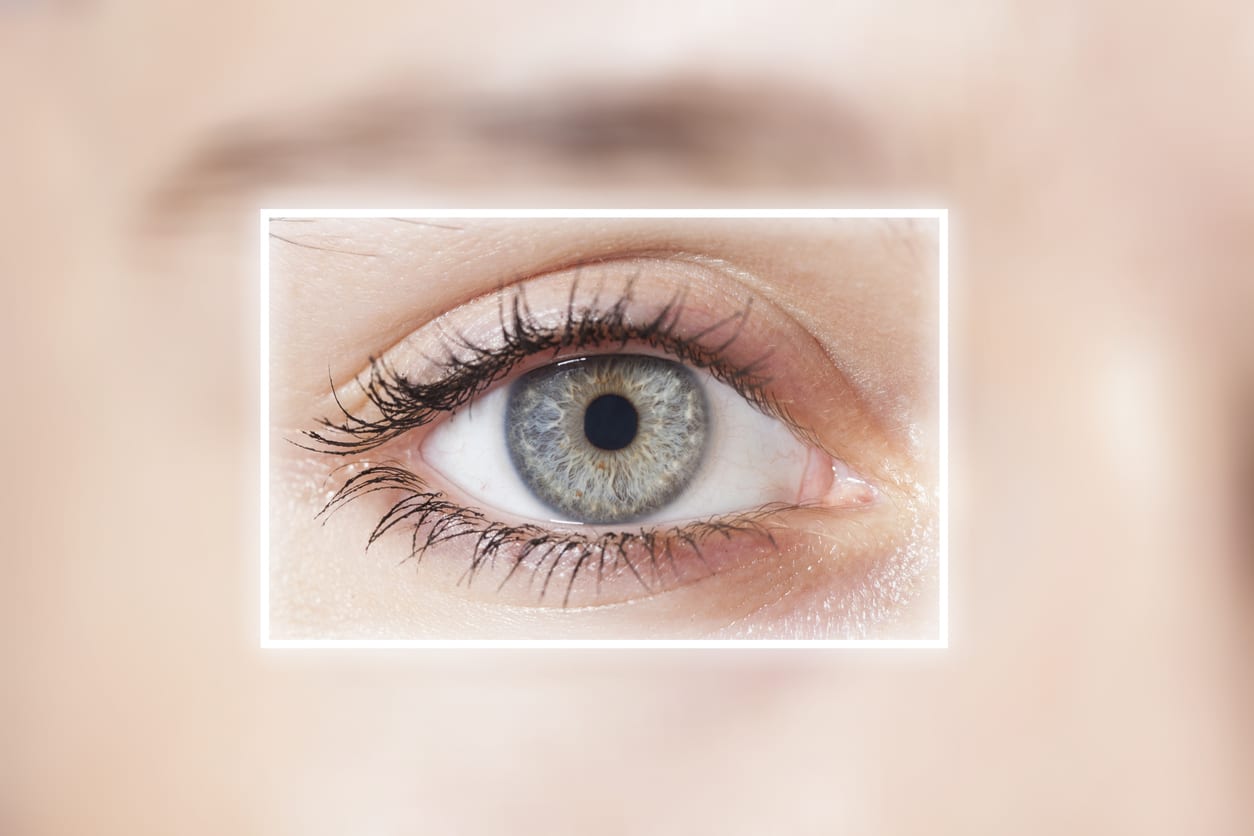
After a cataract has been removed, the capsule of the lens sometimes becomes cloudy. Laser surgery can open up this cloudy membrane and restore clear vision. This condition often mimics the symptoms of cataract; however your cataract is not growing back.
Contact Central Florida Eye Today
Refractive Surgery
The Excimer laser can be used to correct vision either by PRK or Lasik Surgery. People who have been dependent on glasses all or most of their lives may enjoy many activities without the use of glasses or contacts. Refractive surgery can correct nearsightedness, farsightedness and astigmatism.
Contact our Ocala, FL office today!
If you are in the Ocala, Gainesville, Lady Lake, Leesburg, or Inverness, Florida area and have any questions about laser eye surgery call (352) 237-8400 or visit our Contact Us page to request a consultation today!